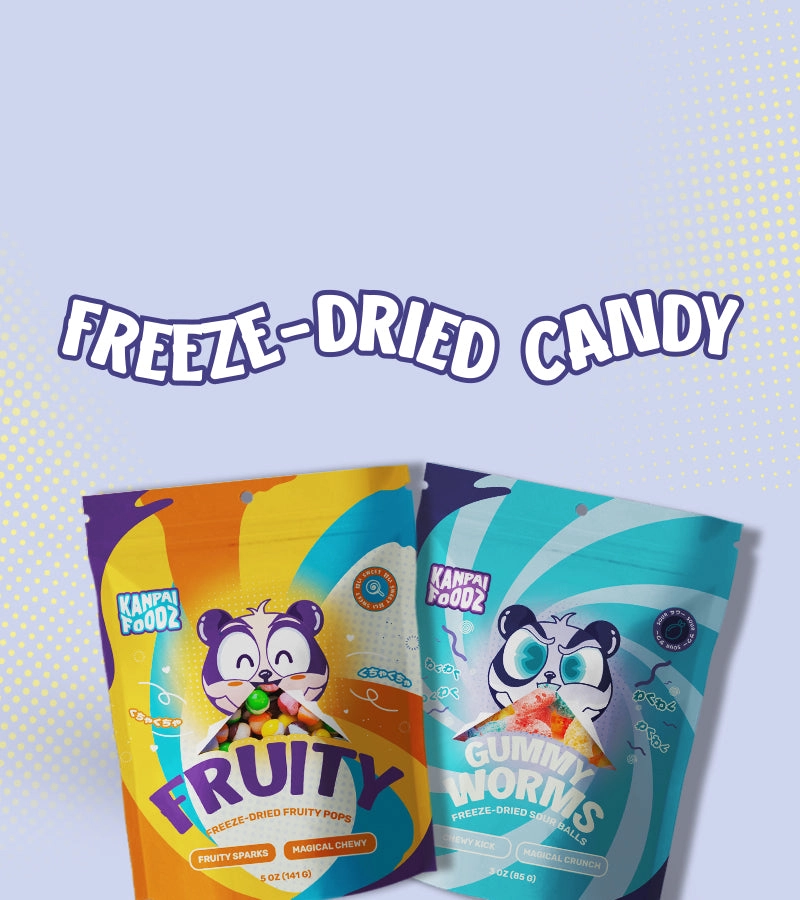
Home to the best freeze dried candy in the world!
Choose your adventure
What is freeze Dried Candy?
The freeze dry process removes all moisture from our candy, leaving behind a deliciously perfect crunchy treat.
Freeze drying also doubles as a preservation process, making it so candy can last 25+ years if stored properly!
Does freeze dried candy have to be refrigerated?
Freeze drying makes candy last up to 25 years if properly stored!
Why do things puff up when freeze-dried?
The pressure causes the sugars and gelatin to puff into an amazing crunchy texture.
What's the difference between freeze dried candy and regular candy?
While the term "freeze" in freeze-dried might suggest you need to keep these treats ice-cold, that's not the deal. These goodies are perfectly fine chilling at room temperature.
Once the freeze-drying show is over, they don't demand the cold shoulder anymore. So, freeze-dried snacks: room temperature all the way, no frosty treatment needed!
The bags
Perfect for snack lovers and adventure seekers alike, our collection promises a delightful and unique snacking experience. Shop below to discover your next sweet obsession!
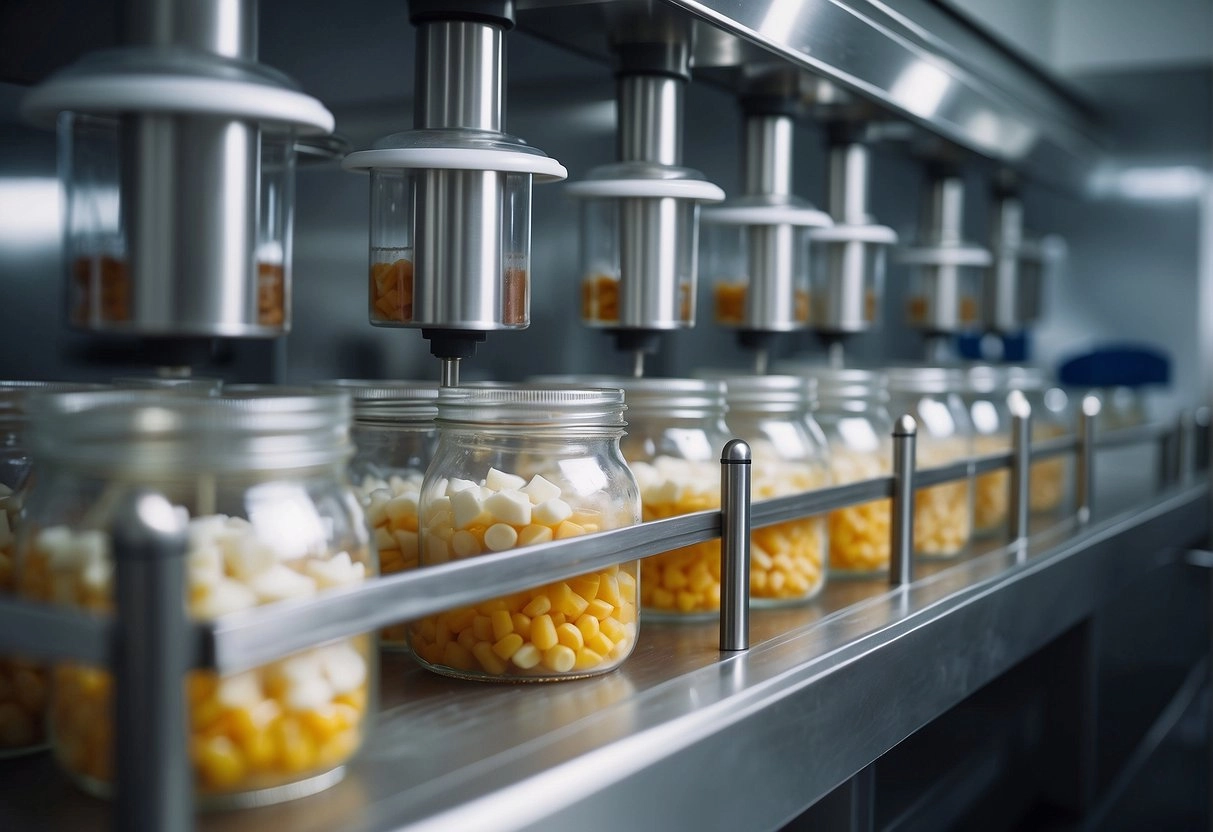
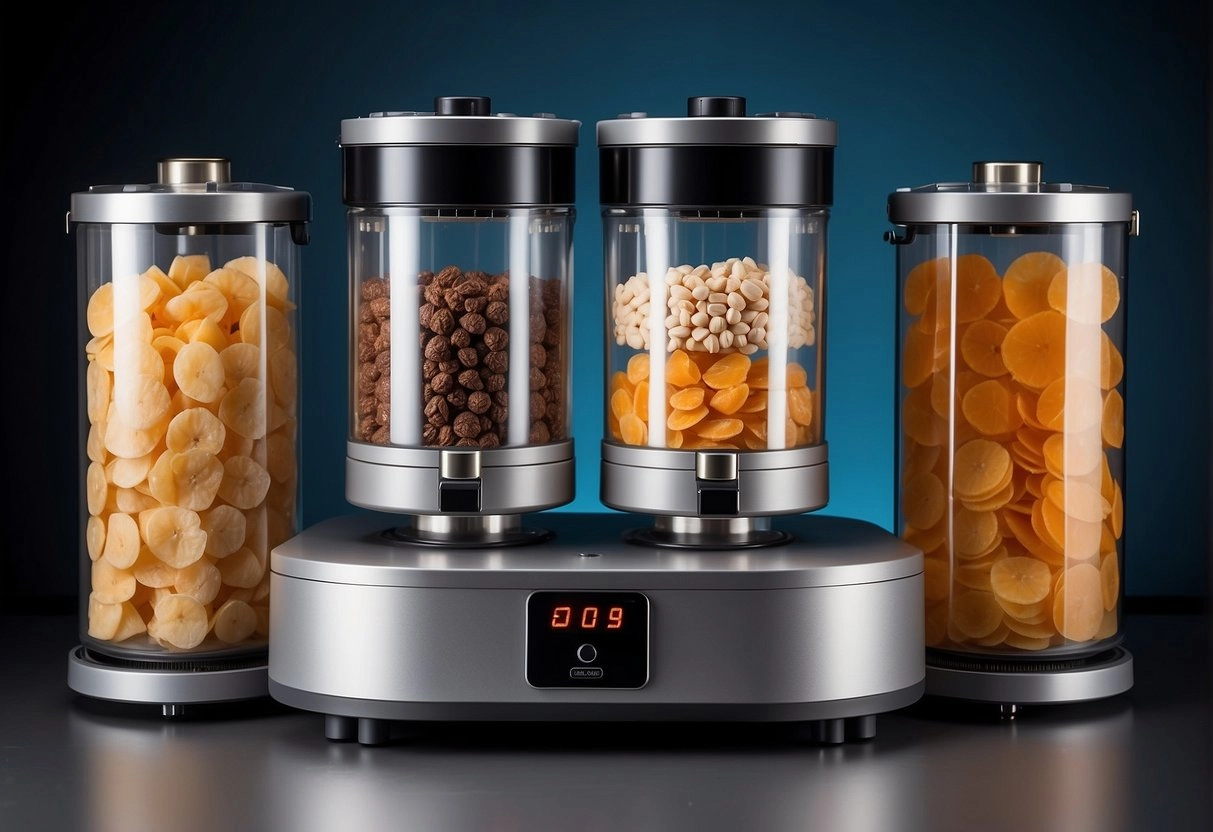
Inside the chamber
Freeze drying, or lyophilization, scientifically relies on the principle of sublimation—the direct transition of water from a solid state (ice) to a vapor, bypassing the liquid phase.
Freeze
The candy needs to be frozen solid, which is typically carried out in a deep freezer or with the aid of dry ice.
Vacuum
Primary drying (Sublimation) : The product is frozen, and the temperature is then reduced, typically ranging from -30 to -50 degrees Fahrenheit. A vacuum is applied, which lowers the pressure and allows the ice to sublimate into water vapor.
Puff
Secondary drying (Desorption) : This phase involves raising the temperature slightly to remove any remaining bound water molecules.
Chewy to Crispy: Marshmallows and gummy candies transition from a soft chew to an airy crisp.
Seal
Once drying is complete, the chamber is brought back to atmospheric pressure, and the product can be removed. At this point, the product may undergo further processing, such as sealing in moisture and oxygen-proof packaging to ensure the longevity and quality of the freeze-dried material.
Best Candies for Freeze Drying
Moist to Dry: Higher moisture candies, like fruits coated in chocolate, become delightfully brittle.
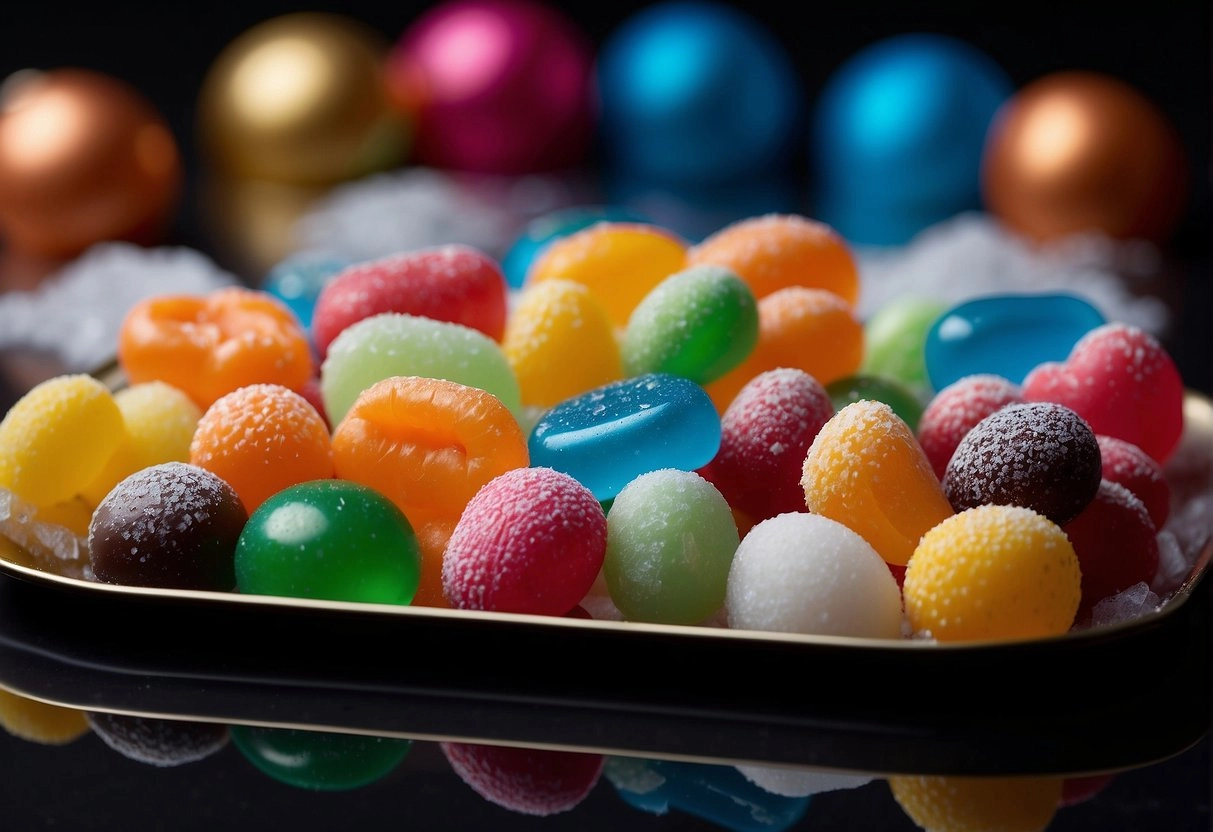
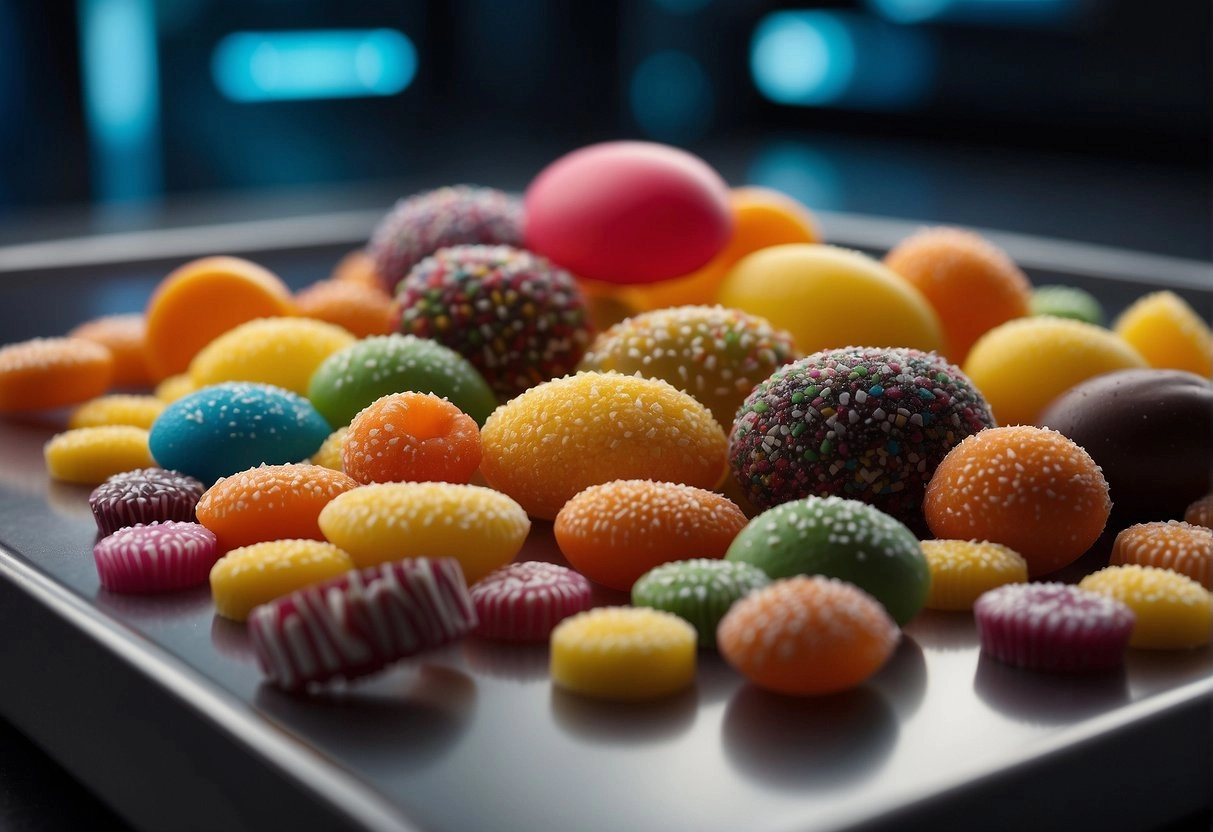
Gummy Candies
Including gummy bears, gummy worms, and peach rings; they puff up and provide an airy texture.
Starburst
They become more crumbly and intensely flavored once freeze-dried.
Marshmallows
They're perfect for freeze drying, turning into a melt-in-your-mouth delicacy.
Hard Candies
The process typically makes them more fragile, shattering easily into crunchy pieces.
Certain candies like hard candies and milk duds may retain their initial hardness but often take on a more brittle texture. Candy corn, with its unique texture, freeze dries well and provides a novel eating experience. However, one should note that chocolate candies can be tricky, as their high-fat content might affect the end result, often causing them to become powdery.
One can ensure the preservation of candy flavor and even enhance it during the freeze-drying process. The absence of moisture content concentrates the flavors, providing an intense flavor profile that is more pronounced than in its original state. It's critical to start with high-quality candies that are known for their rich flavors. Gummies, for instance, become remarkably flavorful when freeze-dried, offering a burst of taste with each bite.
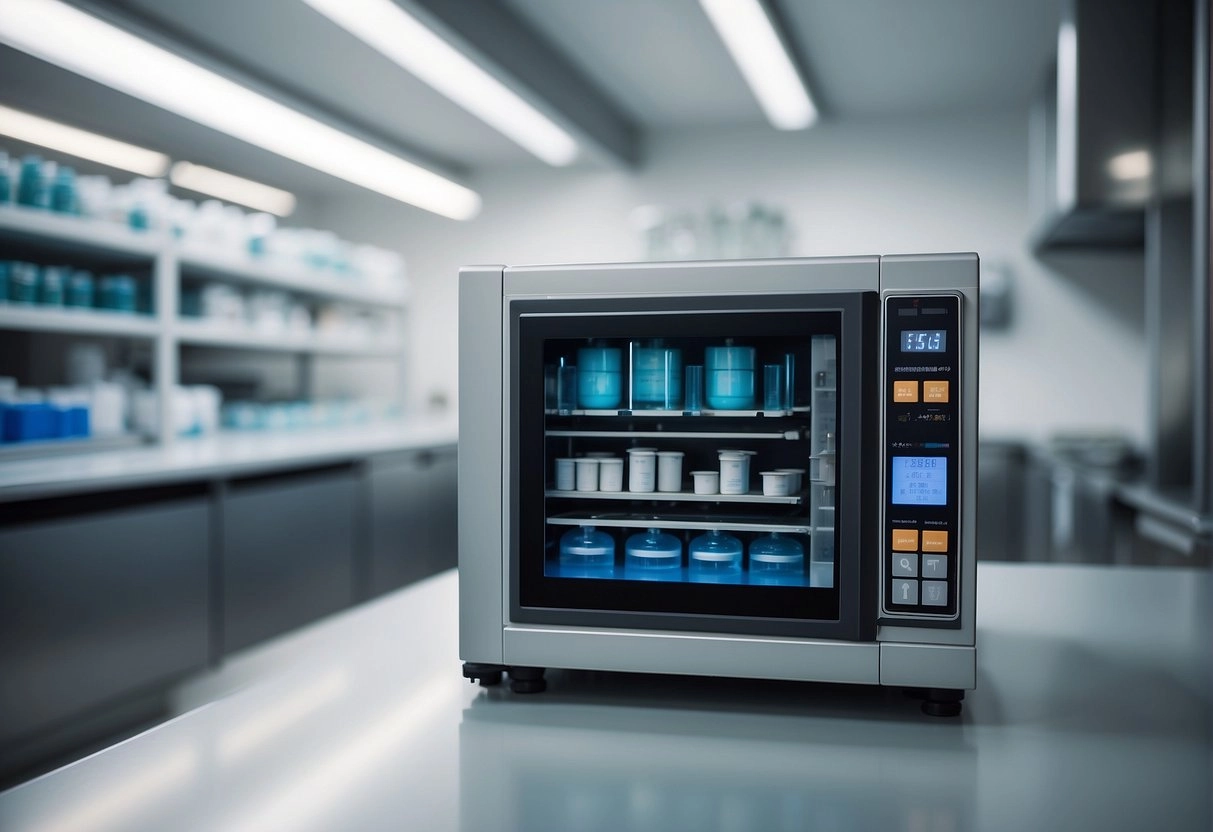
The tray wall
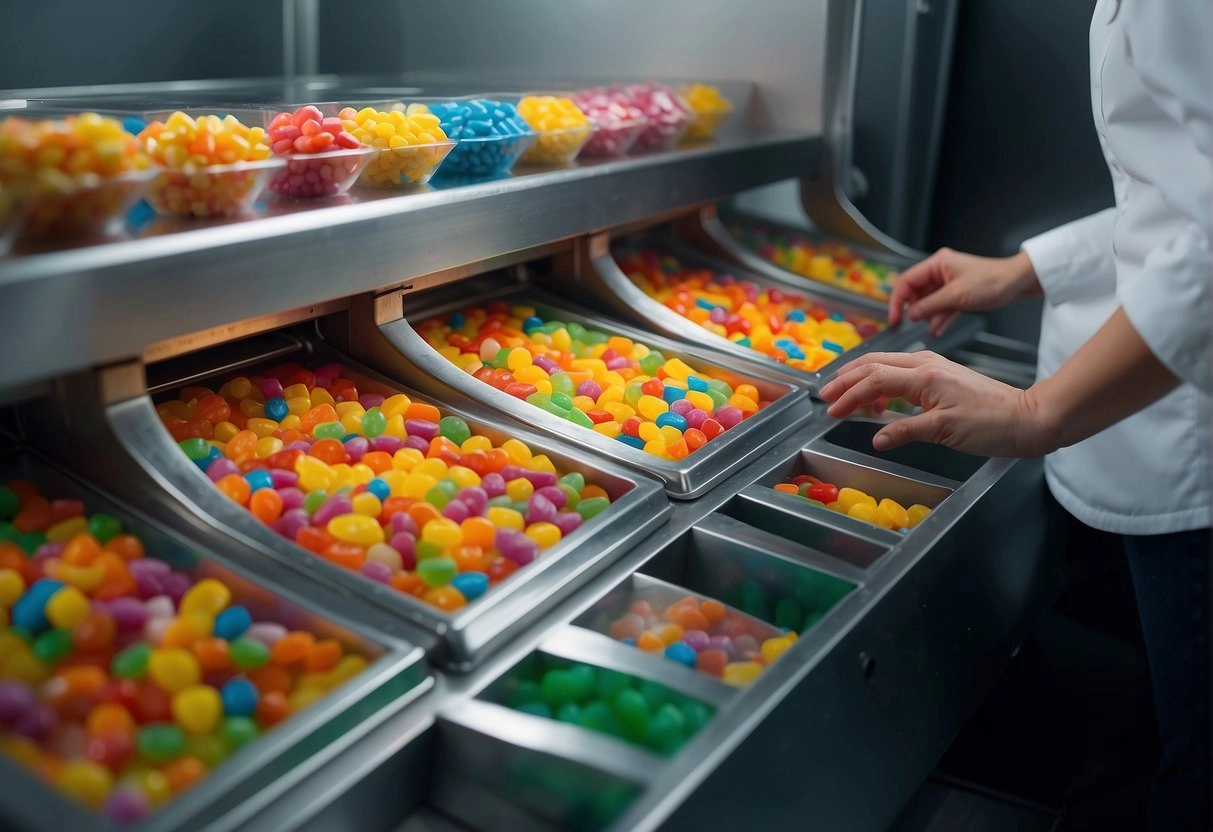
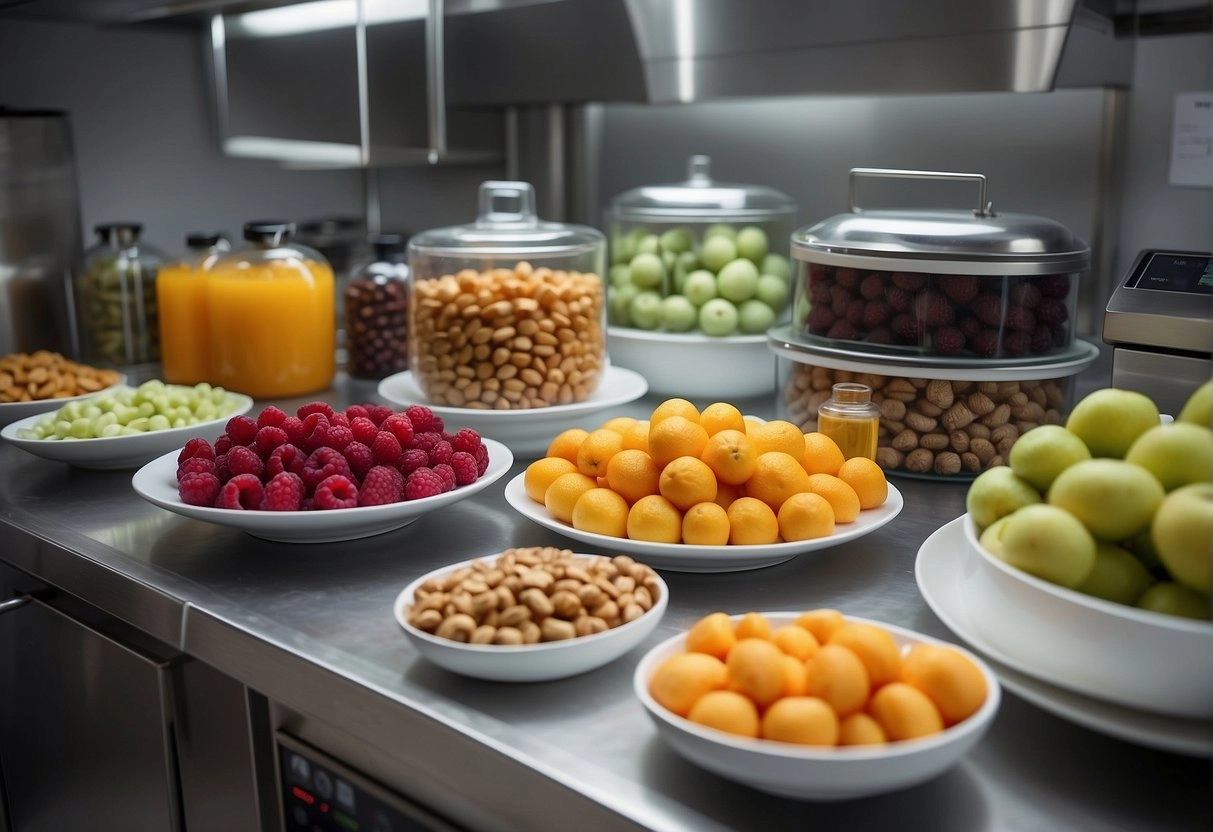
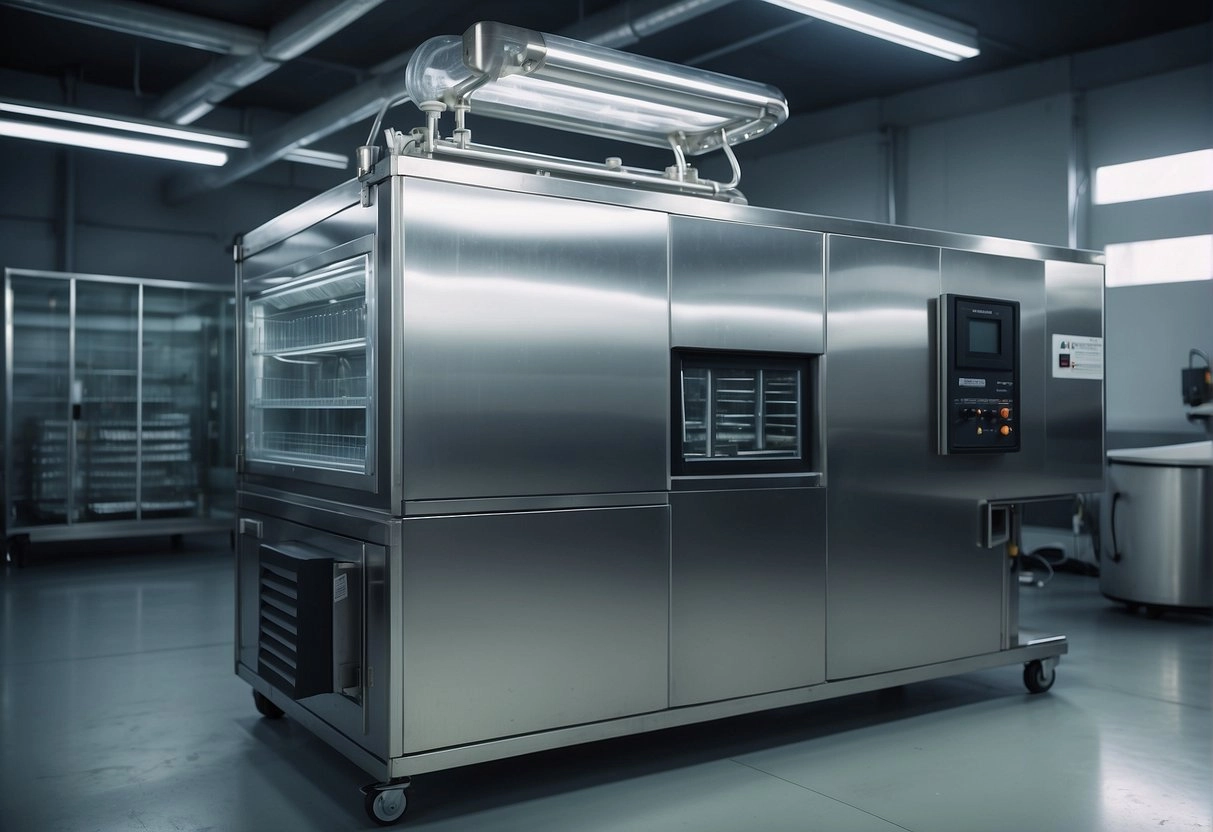
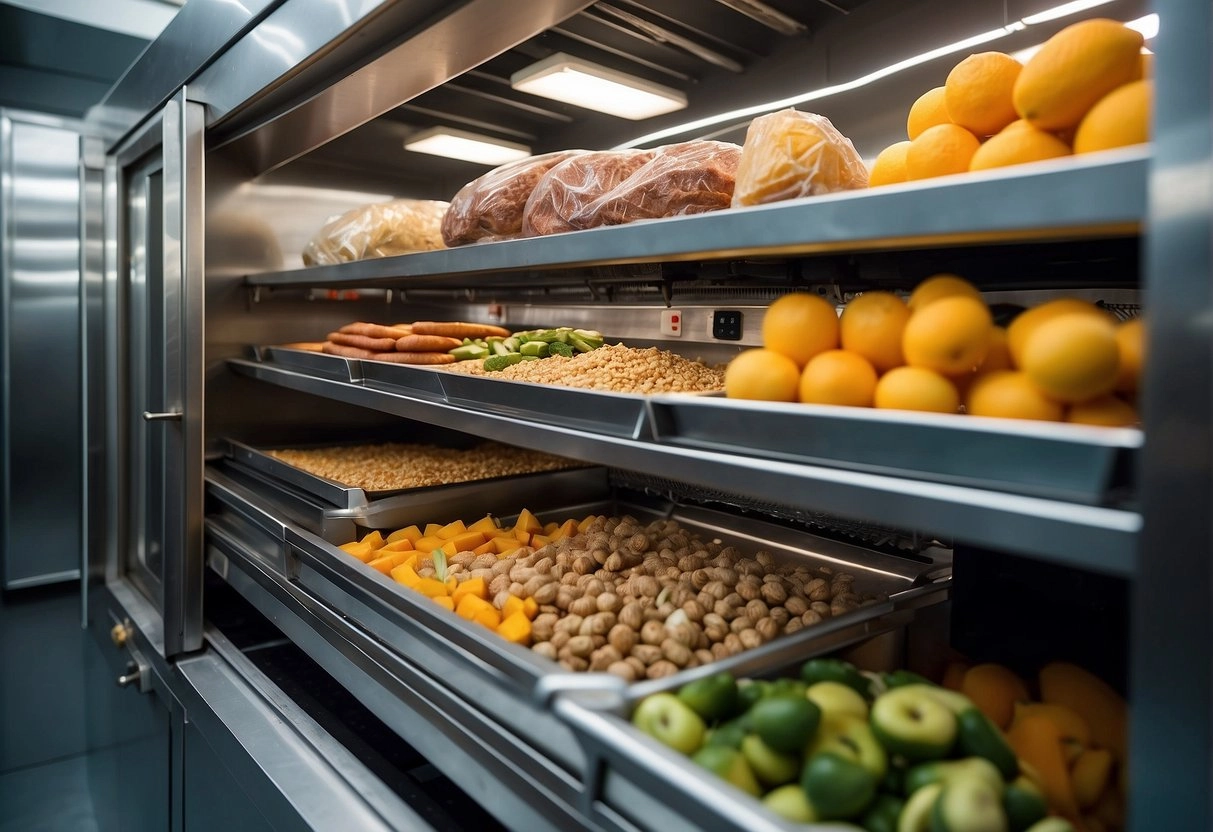
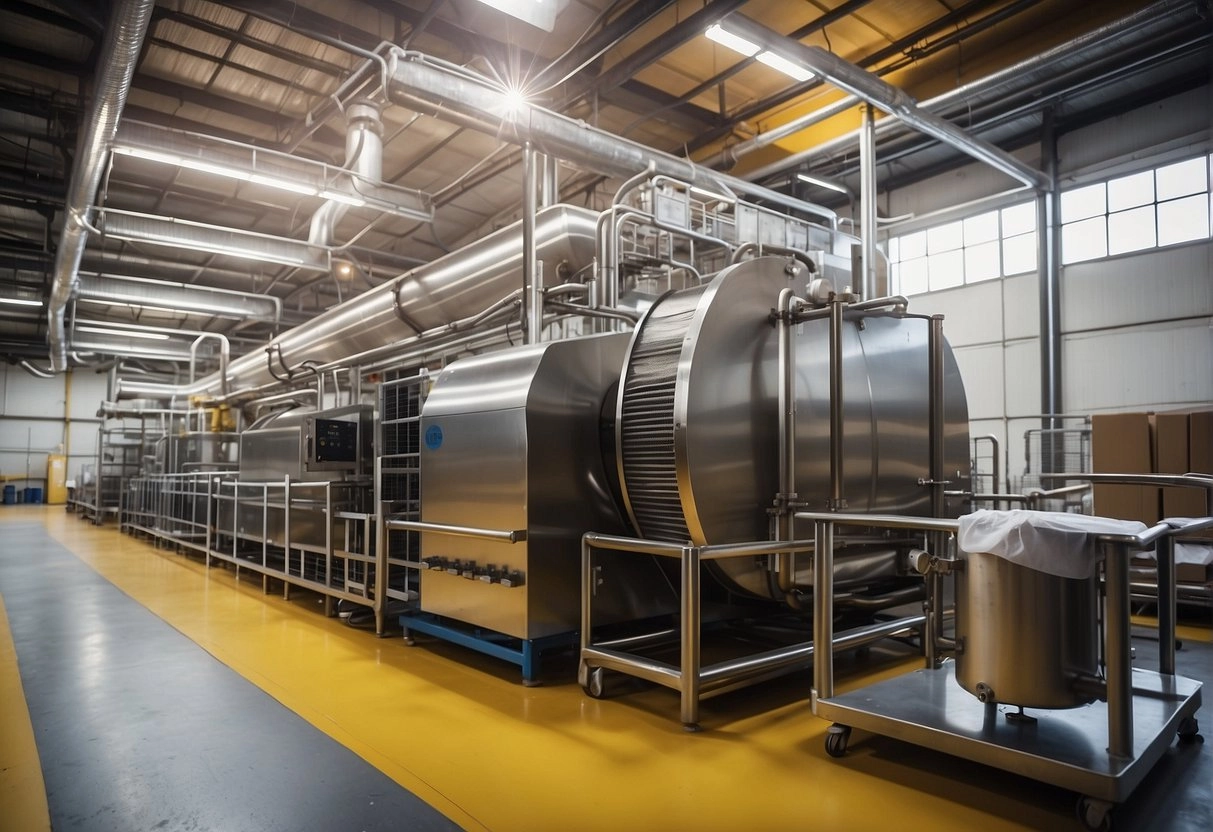
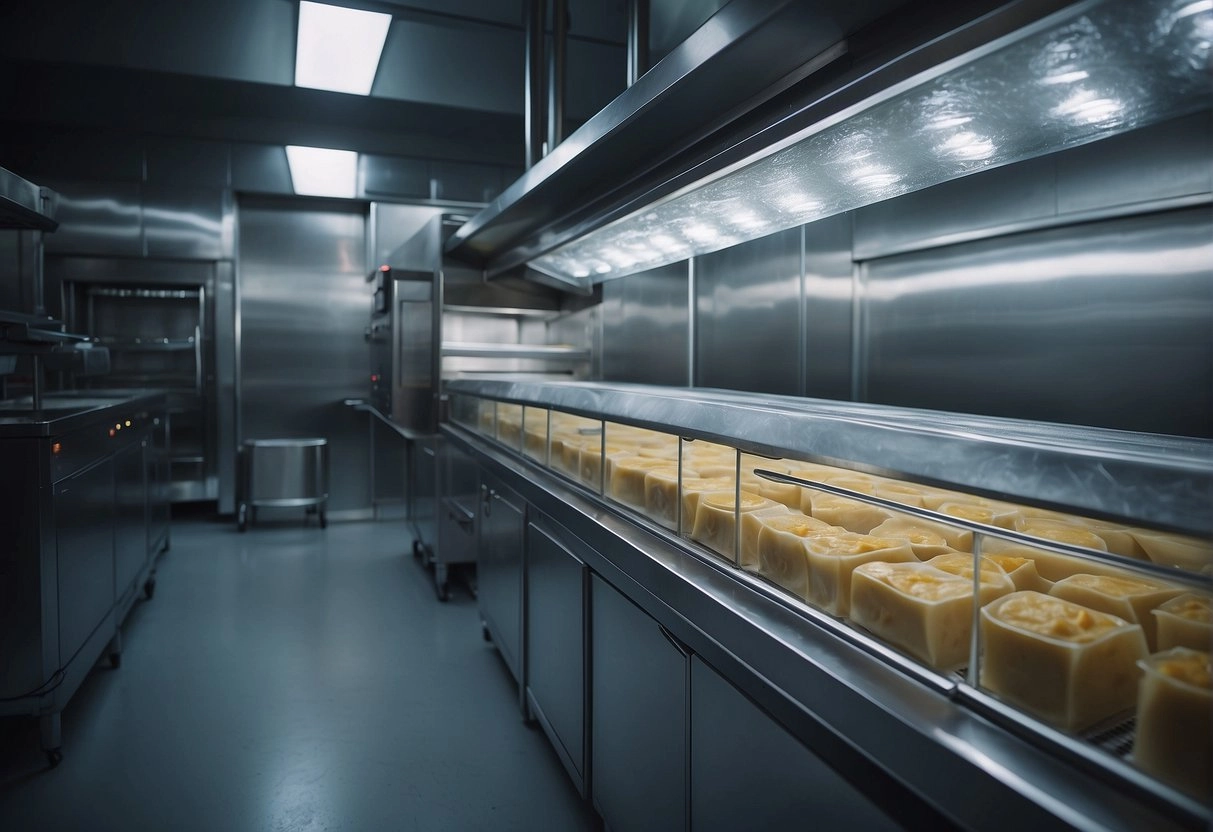
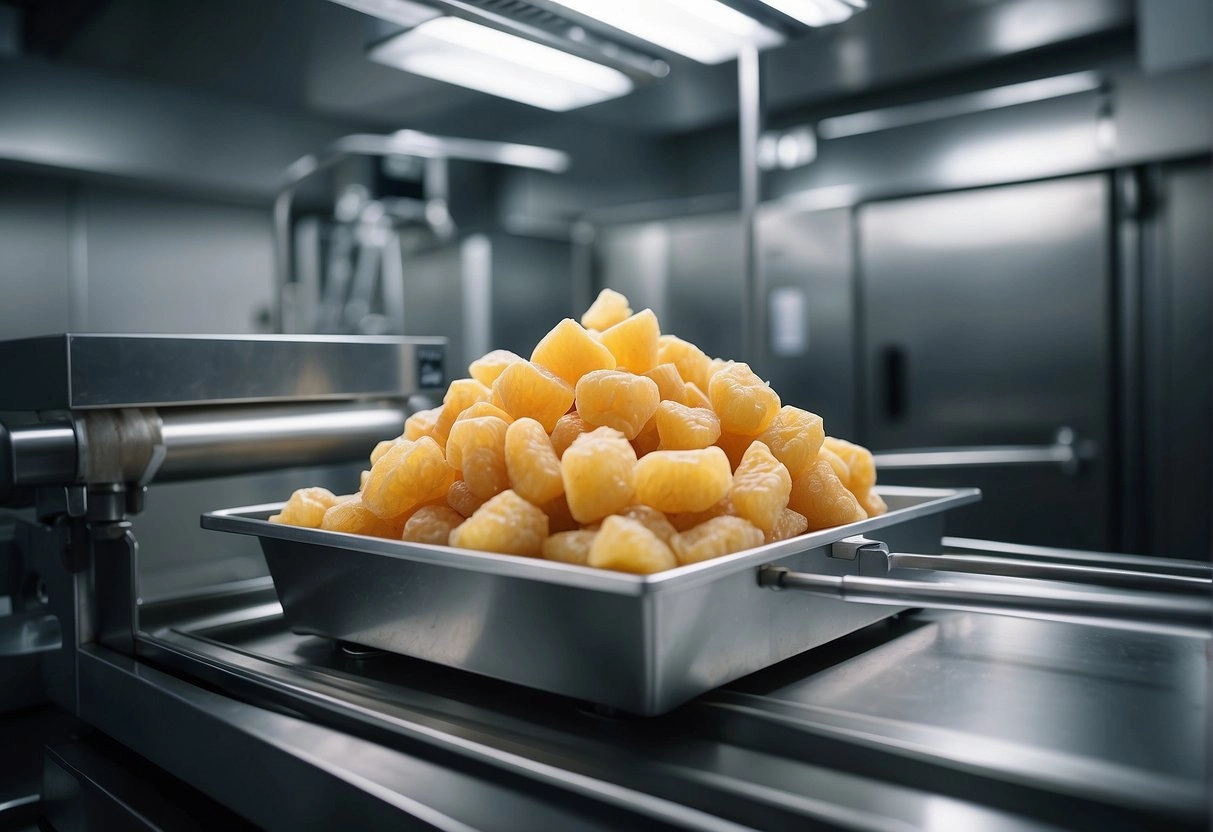
Pictures from the Kanpai Foods blog



IsaacHank
Welcome to Kanpai Foods, where sweetness meets innovation to create an unforgettable taste experience. Born from the shared dreams and culinary adventures of two candy enthusiasts, Isaac and Hank, our company stands as a beacon of creativity and passion in the world of sweets.
Our story began with a chance meeting between our co-founders, united by an unwavering love for candy. Isaac, with his background in culinary arts, and Hank, a wizard in food science, quickly realized they shared not just a friendship but a common vision. They dreamed of reinventing the candy landscape, making it more exciting, more diverse, and more delicious than ever before.
Driven by this shared passion, our dynamic duo embarked on a sweet journey of experimentation. Their playground? A modest kitchen turned laboratory, where traditional flavors were reimagined, and new tastes were born. After countless trials and taste tests, a breakthrough came with the development of our signature line of freeze-dried candies. This innovative process unlocked unparalleled flavors and textures, setting the stage for the birth of Kanpai Foods.
Crafted with love, our candies are a testament to our journey—from a shared dream in a kitchen to a thriving company. We're proud to offer a unique taste experience that transcends the ordinary, inviting our customers to join us in a world where candy is not just food but an adventure.
Welcome to the family, Isaac & Hank
At Kanpai Foods, we believe in the magic of innovation and the power of a well-made candy. Our name, "Kanpai," symbolizes celebration and joy, and that's exactly what we aim to bring to every bite. Our collection of freeze-dried candies is not just a product but a celebration of creativity, quality, and the sweet moments in life.
The long shelf
25
With the inclusion of oxygen absorbers, freeze-dried foods can last for 20-25 years without a significant change in flavor.
We recommend storing your candy in a cool, dry, and air-tight sealed bag or container, so it will not go stale. Freeze-dried products, when properly stored, can last and stay fresh for up to 25 years!
After the candies have been freeze-dried, they must be stored properly to maintain their quality and extend their shelf life. The key is to keep them dry and airtight.
Sealed bags
Heavy-duty freezer bags with zip-top seals can effectively keep out air and humidity.
Vacuum-sealed containers
These offer an extra level of protection, keeping the freeze-dried candies crisp and fresh.
To make freeze-dried candy shelf-stable, the high sugar content must be protected from moisture and air after the process. Storing candy in airtight containers with oxygen absorbers can extend shelf life and keep the texture intact.
Limit temperature fluctuations
Stable temperatures help preserve the candy's texture and taste. Avoid storing them where temperatures change frequently.
Use within the optimal period
While freeze-dried candies can last for years, they are usually best enjoyed within the first few months of drying to ensure the taste is at its peak.
It's important to label each container or bag with the date of freeze drying to help track shelf life and ensure candies are consumed when they are at their best quality.
Freeze-dried or dehydrated
Freeze drying involves first freezing the food and then placing it in a vacuum chamber to remove moisture through sublimation—transitioning water from solid ice directly to vapor. In contrast, dehydrating removes moisture through the application of heat and air flow, typically in a food dehydrator, which evaporates the water content.
| Preservation Method | Freeze-dried | Dehydrated |
|---|---|---|
| Process | Freezes food solid. Removes water by sublimation in a vacuum | Applies heat and air flow. Evaporates water from the food |
| Texture | Light, crispy, maintains original shape | Dense, tougher texture |
| Appearance | Preserves color and shape | Possible color change, shrunken size |
| Flavor | More true to the original | Potential alteration due to heat |
| Approximate Shelf Life | 25-30 years | 15-20 years |
The texture is paramount in freeze-dried candy, transforming chewy or soft candies into a crispy texture that provides a satisfying crunch. This unique texture not only appeals to the senses but also enhances the overall experience of the candy by adding a new dimension to its consumption. The removal of moisture is key, creating a dry and brittle texture, which results in an unexpected and crunchy sensation.
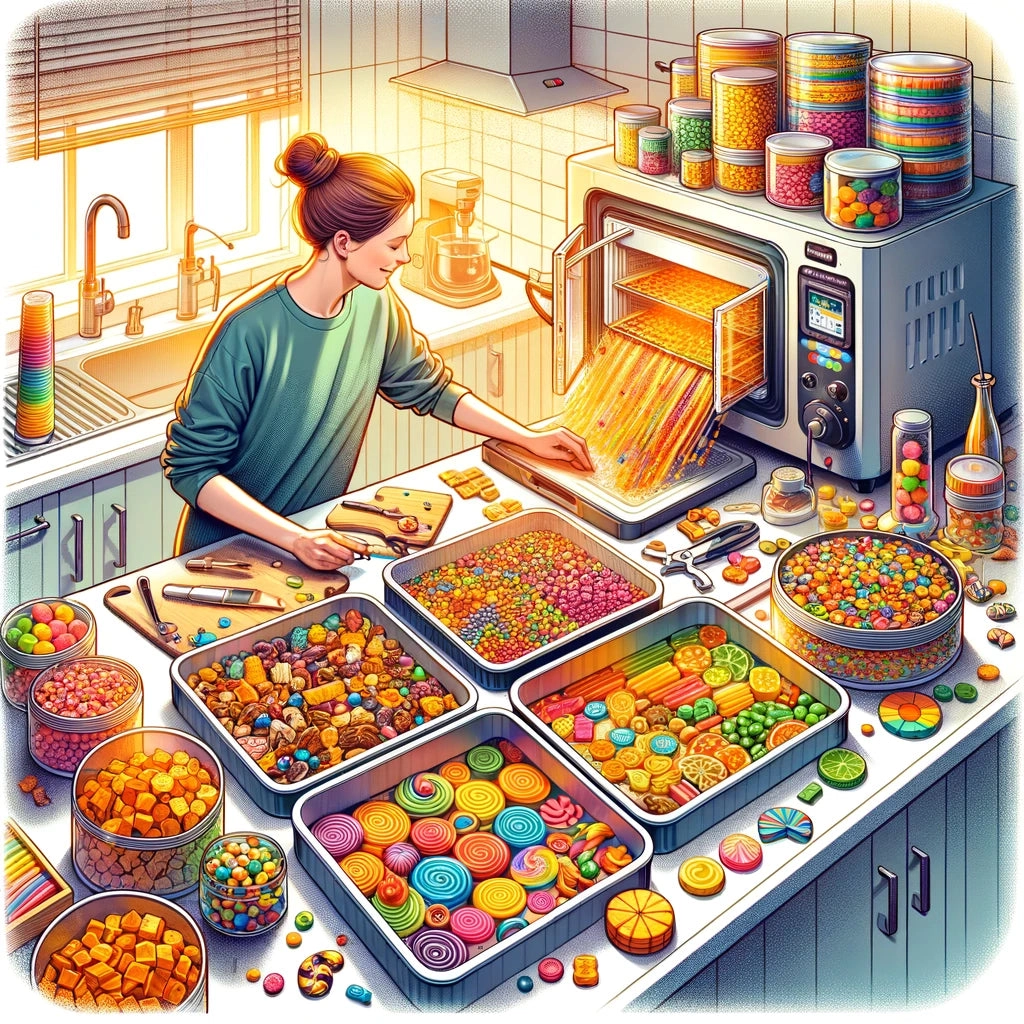
At home, tray by tray
Before embarking on the adventure of making freeze-dried candy, it is important to choose the right type of candy and acquire the necessary equipment. Setting up a clean workspace is also crucial for an efficient freeze-drying process.
-
1
Choosing the Right Candy
Prior to freeze drying, one should select the suitable type of candy for the process. Gummies and marshmallows, for example, yield excellent results due to their high water content. It's essential to cut or break the candy into smaller pieces to ensure even drying. Spreading the pieces onto a tray, leaving space between them, allows for better airflow and freezing.
-
2
Essential Equipment
To make freeze-dried candy at home, one will need a home freeze dryer. This device can reach the low temperatures and create the vacuum necessary to sublimate moisture. Additionally, airtight containers will be required to store the candy post freeze-drying.
- Home Freeze Dryer: A must-have for achieving the required conditions for freeze-drying.
- Airtight Containers: To ensure extended shelf life after drying.
-
3
Prepare Your Workspace
- Use Parchment Paper on baking sheets for non-stick preparation.
- Freezer Space: Essential if employing methods without a dedicated freeze dryer.
-
4
The Freezing Phase
Initially, the product undergoes a preparation step, where it is portioned and placed on trays. These trays are then loaded into the freeze dryer's chamber. During the freezing stage, the temperature is lowered, usually to about -30° to -50°F, causing the water content within the product to solidify.
-
5
Final Drying and Sealing
Once frozen, the candy undergoes a vacuum process to remove all moisture, translating to that airy, crunchy texture. The freeze-drying process involves gradually warming the candy in a vacuum to sublimate ice directly into vapor. After drying, the candy is sealed in airtight containers to protect its texture and extend shelf life. Sealing immediately locks in the freshness and crispness of the candy, making it ready for storage or consumption.
-
6
Tips and Tricks
To guarantee even freeze drying, placing candy on freeze dryer trays in a single layer, with space between each piece, is essential. This way, each candy piece is exposed to the same conditions, leading to consistent lyophilization. It's important that candy lovers ensure the temperature is consistent across the tray and that the candies are adequately supported to maintain their shape.
- Spacing: Keep candy pieces separate to avoid clumping.
- Placement: Center pieces on the tray for uniform drying.
🇺🇸 AT A STORE NEAR YOU 🇺🇸
from Stockist store locator
- 1 Avenida Fragoso Space 251Carolina, PR 00983
- 525 Fd Roosevelt Ave Space 155San Juan, PR 00918
- 725 W Main Ave Space 1830Bayamón, PR 00961
- 1 Premium Outlets Blvd Space 620Barceloneta, PR 00617
- 364 Maine Mall Rd Space N165South Portland, ME 04106
- 250 Granite St Space 1027bBraintree, MA 02184
- 210 Andover Street Space E169Peabody, MA 01960
- 400 Bald Hill Road Space 112Warwick, RI 02886
- 75 Middlesex Turnpike Space 2061aBurlington, MA 01803
- 99 Rockingham Park Blvd Space W243Salem, NH 03079
- 1500 S Willow St Space W124aManchester, NH 03103
- 194 Buckland Hills Drive Space 2096Manchester, CT 06042
- 1500 New Britain Ave Space F-212West Hartford, CT 06110
- 405 Smith Haven Mall Space C03Lake Grove, NY 11755
- 50 Holyoke St Space B-319Holyoke, MA 01040
- 1201 Boston Post Road Space 2435Milford, CT 06460
How it ships
-
SHIPPING FREE IN USA
Ship anywhere, rates available at checkout.
-
We process orders in 1-4 business days.
Please inspect your order upon reception and contact us immediately if the item is defective, damaged or if you receive the wrong item, so that we can evaluate the issue and make it right.
-
USA orders should arrive in 8-10 business days.
We are a small business that fulfills everything in-house in Los Angeles. We thank you for your patience. If you feel as though USPS has misplaced your item, please contact us. We make sure every customer gets their purchased item.
From the blog
-
How to Make Freeze Dried Candy: A Simple Guide for Sweet Treat Lovers
Posted by Reilly Renwick on February 21, 2024
-
What is Freeze Drying? Understanding the Science Behind Preserved Food
Posted by Reilly Renwick on February 29, 2024
-
Freeze Dry vs Dehydrated Foods: Comparing Preservation Methods
Posted by Reilly Renwick on March 06, 2024
-
What is Bubblegum Flavor? Unwrapping Its Sweet Mystery
Posted by Reilly Renwick on March 12, 2024
The creation of bubblegum is often attributed to Walter Diemer, an accountant for the Fleer Chewing Gum Company. In 1928, Diemer crafted a formula that was less sticky and more elastic than traditional chewing gum, enabling bubbles to be blown. This new type of gum was named Dubble Bubble, marking the beginning of bubblegum as a popular confectionery.
Thank you for choosing Kanpai Foods. Here's to celebrating the sweet moments together, one delicious bite at a time.
Find a storeNeed Help?
Email us at hello@kanpaifoods.com
© Kanpai Foods 2026